Home
Home About
About Reviews
 Recipes
 Contact
 Search
Counting carbs for healthy weight loss

Fuel for the body or fattening stodge? Confused about carbs and weight loss? How helpful are bread, rice, potatoes and pasta in a diet? Should you eat less of them if you want to lose weight? Read on to find out the truth about carbohydrates.
Protein vs carbs
If you’ve ever read any of the Atkins’ diet books, you could be forgiven for thinking that carbohydrates are evil and the cause of all our weight problems. Bread, potato, pasta, cereal and sugar in any form are all banned on Atkins. Other eating plans such as the CSIRO Wellness Diet or the South Beach Diet with their emphasis on more protein and lower carbohydrate intakes also reinforce this view.
The truth - despite all the hype – is that there’s no need to cut out ALL carbs. Like other food groups, our bodies need carbohydrate to run at an optimal level. Here’s what you need to know about carbohydrates, healthy weight loss and healthy eating.
Why do we need carbs?
Carbohydrates are the body’s most important fuel source. They’re easily accessible and converted efficiently into glucose (sugar) for energy. Glucose is taken up directly by your muscles, nerves and brain. Carbohydrate foods bring many essential nutrients into your daily diet including fibre and B vitamins (from grains), vitamin C and antioxidants (from fruit and vegetables).
Unlike protein and vitamins, there are no precise recommendations for how much carbohydrate you should eat. In fact, carbohydrate intake can vary enormously and still be compatible with good health.
Traditional eating patterns world-wide show that carbohydrate intake is quite variable. Compare, the high-carb traditional Japanese rice diet (where around 70 per cent of their kilojoules comes from carbs) to the almost carb-free fish diets eaten by the Innuit (Eskimos) living in Iceland, in which less than 10 per cent of their kilojoules comes from carbohydrate.
Carbs, Glycaemic Index (GI) and your blood sugar
Carbs are the biggest determinants of your blood sugar (glucose) levels. If your blood sugar drops too low, you can feel dizzy, shaky and unable to concentrate. So carbs are critical for your mood and brain power, as anyone who’s been on the Atkins zero-carb diet will testify.
Most carbohydrates, apart from fibre, are ultimately broken down to sugars, but their effect on the body’s blood sugar levels varies from food to food. This is largely due to how fast the food can be digested and its sugars absorbed. This is measured on a scale called the Glycaemic Index (GI). This in turn is influenced by:
- the type of starch in the carbohydrate,
- how processed or cooked the food is
- whether there is any fat or fibre accompanying the carbohydrate.
Foods that raise blood sugar quickly have a high GI (70 or more) whilst those that raise it slowly have a low GI (55 or less). This is fundamental to planning a healthy diet for people with diabetes or for those looking for healthy weight loss or peak sports performance.
How much should I be eating?
Don’t drop down to less than 40 per cent of your total kilojoule intake as carbohydrate.
- If you’re watching your weight, this means around 120g of carbohydrate a day for a woman on a standard 5000 kilojoule (1200 calorie) diet. You can get this from seven serves of grains, fruit, potato and milk. See the table below to work out how much this means.
- If you want a higher carbohydrate intake (say if you love pasta and breads), aim for 150g a day or 10 serves.
Five steps to fewer carbs - the healthiest way to cut carbs for weight loss
- Cut out the “junk” (high GI) carbs like soft drinks, lollies, chips, cakes and biscuits
- Don’t give up all bread, buy a solid grain bread or dense wholemeal or rye loaf. One or two slices a day will keep you full and stop you picking between meals.
- Swap your breakfast cereal for one made from oats (muesli or porridge) or whole wheat (wheatflake biscuits, wheat flakes) or bran (all-bran, bran flakes). A bowl at breakfast is convenient and the fibre will keep your bowels in good order.
- At dinner, the best choices are pasta or starchy vegetables like peas, lentils, chick peas, sweet potato, carrots or corn. Potato and rice are fast digesting (high GI) so keep portions modest - one medium potato or half a cup of rice will balance out your meal nicely.
- Eat two pieces of whole fruit (or fruit salad) a day. Don’t drink too much fruit juice which has had its fibre removed and is easy to overconsume.
Simple or complex carbs?
Carbs were once divided into two main types:
- Complex (vegetables, legumes, fruit and whole grains) were thought – incorrectly - to take longer to be digested and less likely to play havoc with your blood sugar.
- Simple (sugar, honey and sugary foods) were considered easy and quick to be broken down and to flood your system with too much sugar.
This belief has now been outdated thanks to the GI research which proves that slow-absorbing carbohydrates can come in either sweet OR starchy forms. Today the dictum is to eat more of these “slow carbohydrates”. They take longer to be digested and absorbed and so fill you up and keep hunger at bay. They include:
- Grain breads
- Pita bread
- Spaghetti, macaroni
- Chick peas
- Kidney beans
- Lentils
- Muesli
- Oats
- Bran cereals
- Oat bran, rice bran
- Pears
- Plums
- Grapefruit
- Apples
- Fruit loaf
How low can I go? The must-eat carbs
These are the minimum quantities you need for a lower carb way of eating.
|
Food group |
No of serves |
Examples |
Grams of carb |
|
Vegetables |
5 |
1 starchy (1 medium potato or ½ cup peas) 4 leafy or non-starchy (broccoli, beans, lettuces, salad vegetables) |
20
10 |
|
Fruit |
2 |
1 pear ½ cup blueberries |
20 10 |
|
Whole grains |
3 |
1 small bowl muesli 1 slice grain bread ½ cup brown rice |
15 15 15 |
|
milk |
1 |
1 glass 250ml |
10 |
|
Total |
|
|
120 |
Sweets and sugary foods are “extras” – they are not necessary for good health but in small quantities add flavour and enjoyment to other foods.
Want to know more about healthy weight loss?
If you'd like to know more about essential aspects of nutrition for maintaining optimum health and well-being why not grab a copy of my best selling book, Nutrition For Life? It will tell you all you need to know about carbs, proteins, minerals, vitamins and more.
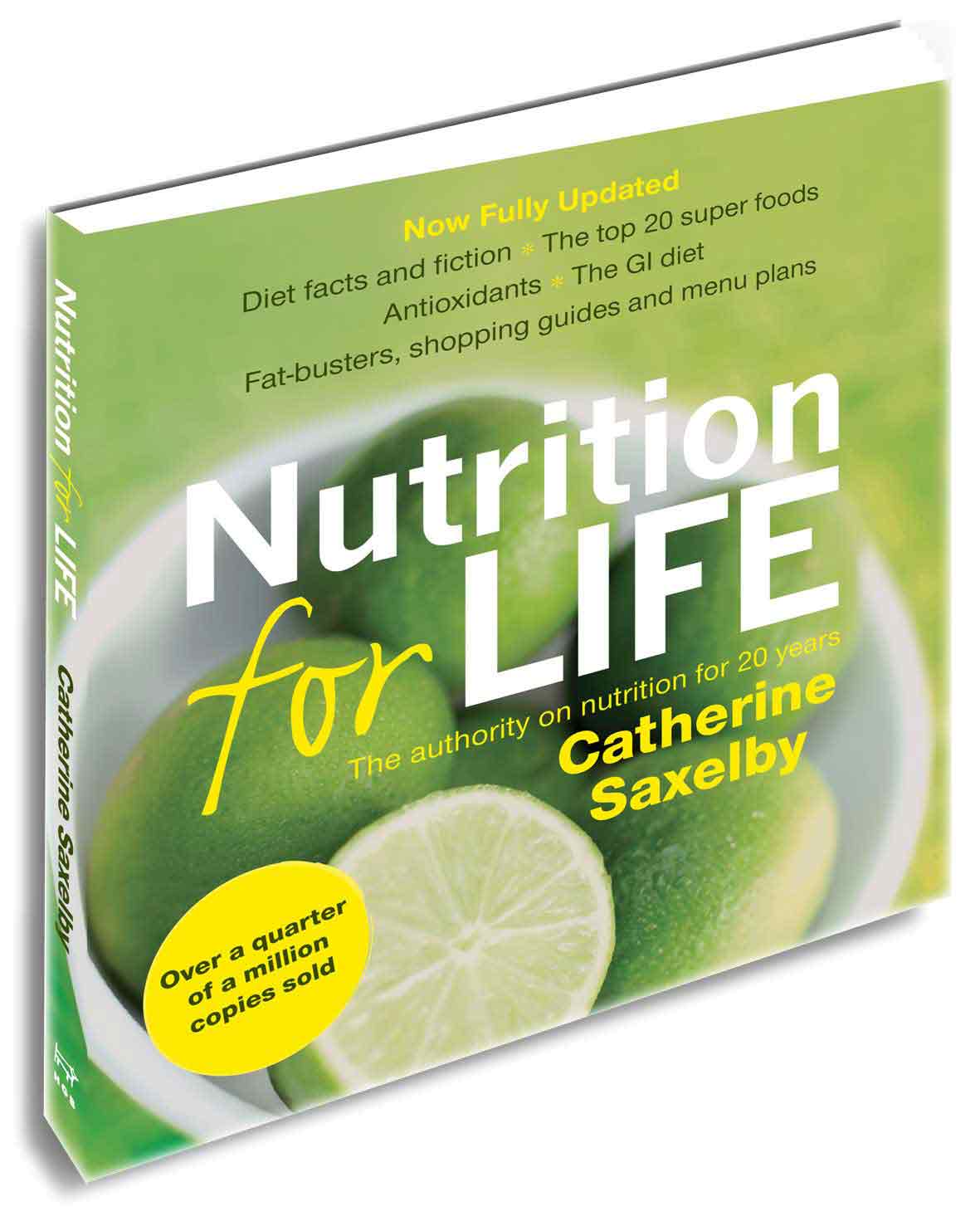 This article was prepared by nutritionist Catherine Saxelby for the Healthy Weight Loss Section of the Expert Advice Area of her website www.foodwatch.com.au. To find out more about healthy eating and healthy weight loss, why not purchase Catherine’s best-selling book Nutrition for Life. Click here to find out more.